Alphabet Of Quran
The Quran, Islam’s holy book, is written in Arabic, and mastering the Quranic Arabic alphabet is key to its understanding. Whether you are a beginner or looking to improve your skills, our online courses will guide you through the Alphabet Of Quran with efficiency and ease.
Our expert instructors at Mishkah Academy will provide structured and personalized instruction through interactive exercises and practice materials, setting you on the path towards Quranic language proficiency.
In this article, we will explore the basics of the Quran Alphabet, various resources available for learning it, and effective techniques to enhance your retention and mastery. Additionally, we will delve into ways to practice and apply your knowledge, as well as discuss ways to expand your Arabic language skills beyond the alphabet.
Key Takeaways:
- The Quran is written in Arabic, and its understanding begins with mastering the Quranic Arabic alphabet.
- Our online courses provide structured and personalized instruction for learners of all levels.
- Mishkah Academy’s instructors guide learners through interactive exercises and practice materials.
- Effective techniques and strategies such as mnemonic devices and repetition exercises can enhance retention and mastery.
- Practicing and applying knowledge through reading and writing Quranic verses can solidify understanding.
Introduction to Alphabet of Quran
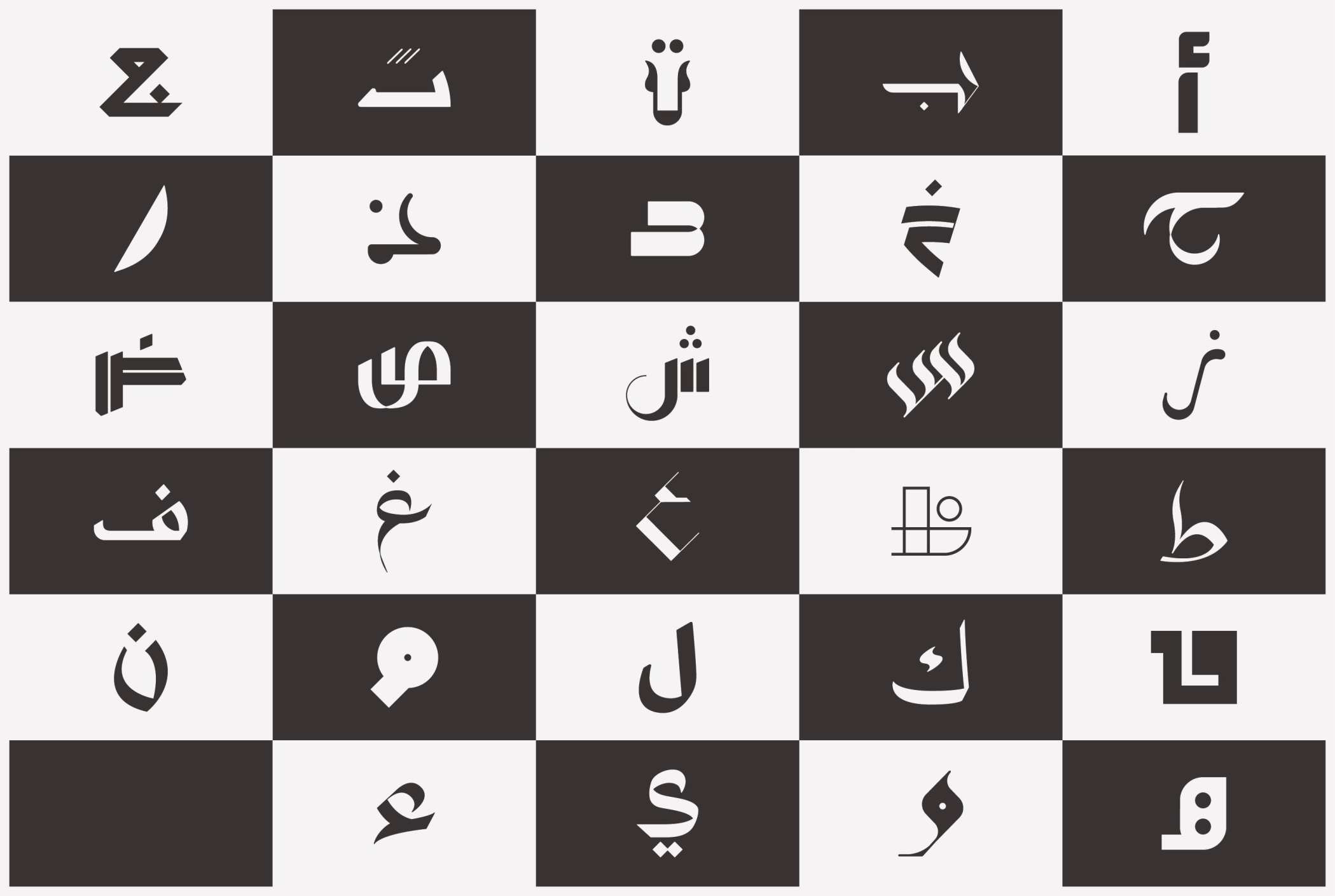
Welcome to the fascinating world of the Alphabet Quran! As you embark on your Arabic learning journey, it is essential to understand the basics of the Quran’s written language and how it is used in communication and religious teachings. The Alphabet Quran consists of 28 letters, each with unique features and pronunciation, allowing for precise enunciation and reading of the Quran.
Learning the Quran Arabic Alphabet is the foundation for reading and understanding the Quran, and thus, it has immense significance in Islamic culture and religious traditions. Knowledge of the Arabic language and Quranic alphabet is essential for Muslims worldwide and holds particular importance among scholars and clerics.
Learning Resources for Quran Alphabet
In this section, we will present learning resources available to help you learn the Quran Alphabet:
Our Online Arabic Courses are developed by experienced instructors who provide structured lessons, learning exercises, and personalized feedback. Join Mishkah Academy, the best online school for learning Quran, Tajweed, Arabic & Islamic Studies for Kids and Adults, to master the Quran Alphabet. Enroll now and start your journey towards proficiency.
1. Noorani Qaida Course:
This course is designed for beginners with no prior knowledge of Arabic. It teaches you the Arabic alphabet, pronunciation, and basic reading and writing skills.
This course is a good foundation for further Arabic study, especially if you are interested in learning Quranic Arabic.
2. Quranic Arabic Course:
This course is designed for students who want to learn Arabic specifically for reading and understanding the Quran.
It teaches you the vocabulary and grammar used in the Quran, as well as the rules of Tajweed (Quranic recitation).
This course is a good choice if you want to be able to read and understand the Quran without needing a translation.
Learn Quran, Arabic & Islamic Online
Start learning Quran, Arabic and Islamic Studies from the comfort of your Home with the Best Online Quran School.
Online Courses for Quran Alphabet
If you want to learn the Quran Alphabet effectively, join Mishkah Academy, the best online school for learning Arabic. Our experienced instructors provide structured lessons and interactive exercises to ensure you progress smoothly in your Quranic language journey. We offer a range of courses suitable for beginners and learners of different levels, tailored to meet your specific needs.
Our courses cover everything from the basics of the Quran Alphabet to advanced reading and writing exercises. We use a variety of teaching methods to make learning enjoyable, including audiovisual aids, interactive quizzes, and personalized feedback. Our comprehensive learning resources provide ample opportunities for practice and application of your knowledge.
Why Choose Mishkah Academy?
- Experienced instructors with a passion for teaching.
- Structured online courses for optimal learning.
- Interactive exercises for hands-on practice.
- Personalized feedback to enhance your progress.
Join our Online Arabic Courses now and embark on a fulfilling journey to master the Quran Arabic Alphabet.
Progressing Beyond Quran Arabic Alphabet
Mastering the Quran Arabic Alphabet lays the foundation for a deeper understanding of the Quran and Arabic language. Once you have gained proficiency in the alphabet, you can progress your language skills further to deepen your knowledge.
1- Learning Vocabulary
Expanding your vocabulary is essential to improving your reading and translation skills. Learning new words and their meanings allows you to grasp the content of Quranic verses more thoroughly, enabling you to connect with the text on a deeper level. You can do this by practicing reading and translating different texts or taking courses that focus on Arabic vocabulary.
2- Improving Grammar
Learning Arabic grammar rules is a crucial step towards fluency. Understanding grammar helps you to construct sentences correctly and use proper tense and conjugation when speaking or writing in Arabic.
You can improve your grammar by taking courses that focus on Arabic grammar. Reading and analyzing Quranic verses can also help you gain insight into how grammar is used in the Arabic language.
3- Enhancing Syntax
Syntax refers to the arrangement of words and phrases to create well-formed sentences in a language. Developing an understanding of Arabic syntax can improve your writing and speaking skills and help you convey your thoughts more accurately.
You can enhance your syntax through reading authentic Arabic texts and analyzing how words are structured into sentences and paragraphs. You can also take courses that focus on Arabic syntax to improve your skills.
“Learning a language is a lifelong journey. Each step you take towards mastery of the Quran Arabic Alphabet opens up a new horizon of knowledge and skills.”
Keep in mind that language learning is a lifelong journey. Each step you take towards mastery of the Quran Alphabet opens up a new horizon of knowledge and skills. Beyond learning vocabulary, grammar, and syntax, you can also improve your Arabic language skills through immersive experiences, such as living in an Arab country and practicing with native speakers.
Join us at Mishkah Academy, expand your Arabic language skills and deepen your connection with the Quran.
Conclusion
In conclusion, mastering the Quran Arabic alphabet is an essential step towards understanding and appreciating the Quran. With our online courses at Mishkah Academy, you can learn at your own pace and from the comfort of your home. Our expert instructors, comprehensive learning resources, and interactive environment will ensure that you progress smoothly and confidently towards fluency.
Moreover, our courses do not end with the Quran Alphabet. We offer a range of advanced courses to help you expand your Arabic language skills, including grammar, syntax, vocabulary, and more. With our holistic approach to Arabic language learning, you can deepen your understanding of the Quran and express yourself with clarity and precision.
Join us now and embark on your journey towards Quranic language proficiency. Start with the Quran Alphabet, and discover the beauty and depth of the Quranic language.
Join Quran Arabic Alphabet Class Today
FAQ
Why is it important to learn Quran Alphabet?
Learning the Quran Arabic alphabet is essential for understanding the Quran and reciting it correctly. It is the foundation of reading and comprehending the teachings of Islam.
How many alphabets in Quran?
The Quran Arabic alphabet is a set of 28 letters used in the Arabic language. These letters are specifically used in writing and reciting the Quran, the holy book of Islam.
Resources to learn Quran Alphabet?
There are various resources available to learn the Quran Arabic alphabet. Online courses, books, and practice materials are great options. Mishkah Academy, the best online school for learning Arabic, offers comprehensive courses in Quranic Arabic.
How can learn Quran Alphabet?
Online courses at Mishkah Academy provide structured lessons, interactive exercises, and personalized feedback to help you learn the Quran Arabic alphabet efficiently. Experienced instructors guide you through the learning process.
Techniques for learning Quran Alphabet?
To learn the Quran Arabic alphabet efficiently, you can use mnemonic devices to remember the letters, practice repetition exercises, and engage in active learning techniques such as flashcards and audio drills.
How can Mishkah Academy help?
Mishkah Academy is the best online school for learning Arabic, including the Quran Arabic alphabet. With experienced instructors, comprehensive resources, and an interactive learning environment, Mishkah Academy ensures your success in mastering the Quran Arabic alphabet.
How do I join Mishkah Academy?
To join Mishkah Academy, simply visit our website and explore the available courses. Follow the registration process to enroll in the Quran Arabic alphabet course and begin your journey towards Quranic language proficiency.